We often idealise childhood as a carefree time, but youth alone offers no protection from emotional challenges, stress, or even trauma. From adapting to a new classroom or navigating online learning, to coping with bullying or difficulties at home, children today face a range of pressures. Growing up in an increasingly complex world can be anything but simple—and certainly not carefree.
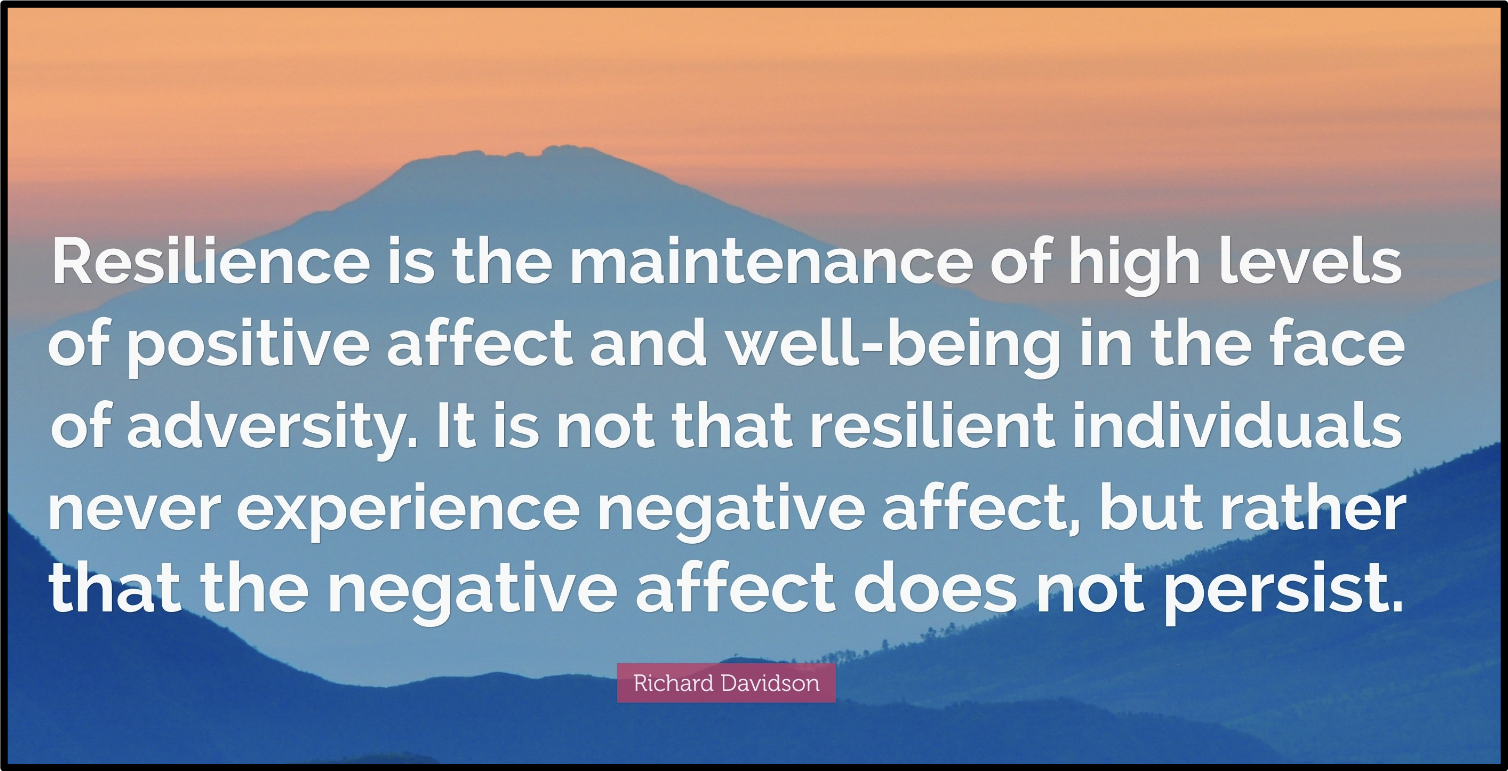
The ability to thrive in spite of these challenges stems from resilience: the capacity to adapt well in the face of adversity, trauma, significant stress, or change. Building resilience helps children manage anxiety, regulate emotions, and respond to uncertainty with strength and flexibility.
However, resilience does not mean avoiding discomfort or distress. Feelings of sadness, fear, or emotional pain are natural—especially in response to personal or observed trauma. The key is not to eliminate these feelings, but to equip children with the tools to navigate them.
The good news? Resilience can be learned.
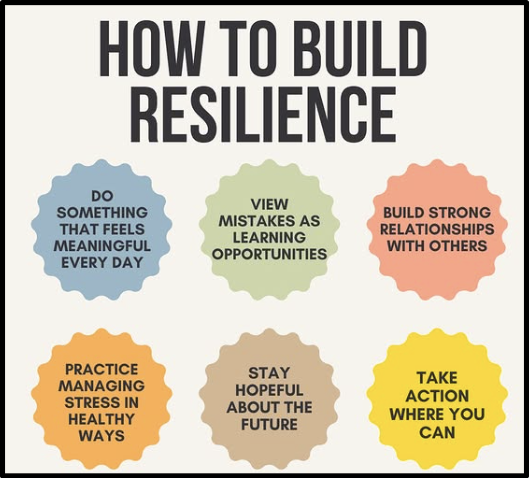
It is a set of skills and attitudes that can be nurtured over time.
In fact, some of life’s most difficult moments are also the most formative. When children face and overcome challenges—or even fail well—they gain deep insights into their own strength and character. Encouraging them to reflect on what tough experiences reveal about “what I’m made of” is a powerful tool for growth.
Change, while often unsettling, is also an essential part of development. Helping children accept that change is inevitable—and that new goals can replace those that have become unreachable—builds flexibility and emotional maturity.
At school, these lessons can be woven into everyday life. For example, acknowledging how students have grown as they progress through year groups can open conversations about how change has shaped who they are. It’s equally important to help children recognise what’s going right, and to develop thoughtful, realistic plans for what’s not going well.