When children face difficult challenges—like a daunting English essay, a high-stakes maths test, or social struggles that leave them feeling frustrated—it’s easy for them to hit a wall and fall back on four dreaded words: “I can’t do it.” But to truly thrive, children need support in shifting from that stuck mindset to a more proactive one: “How can I do this?”
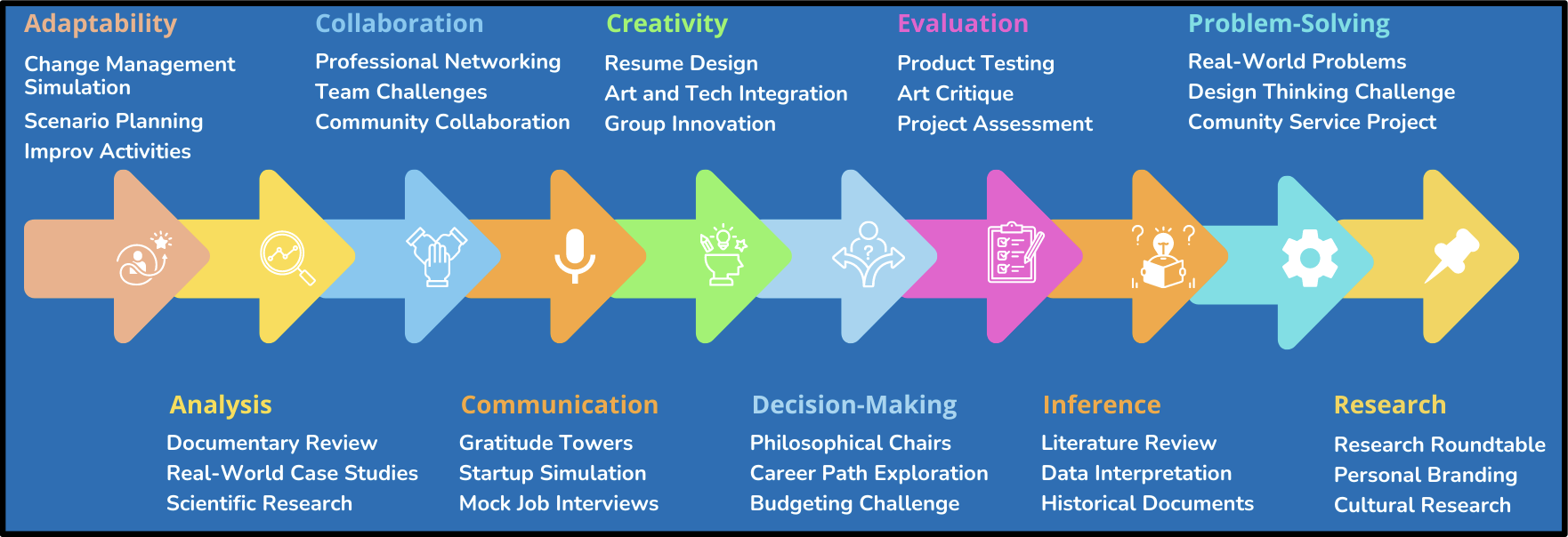
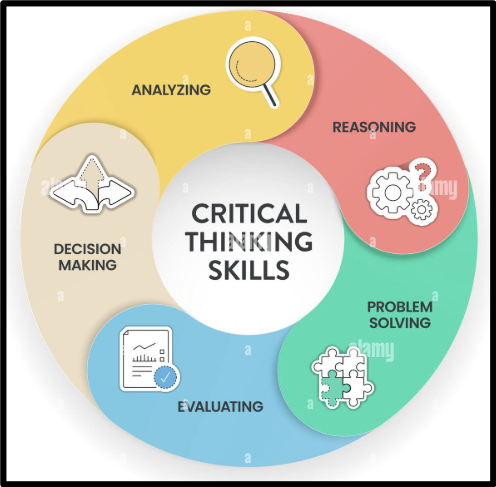
Making that shift doesn’t happen automatically. It requires children to pause and reflect: Why am I stuck? What’s frustrating me? What would help me move forward? This process of stepping back and thinking about their own thinking is known as metacognition—also referred to as critical thinking.
Critical thinking is something we all engage in, often without realising it. It’s the internal dialogue we have throughout the day—assessing, reflecting, planning, and problem-solving. It’s how we gain insight into our feelings, regulate our reactions, and navigate both academic and emotional challenges.
Teaching children to harness this kind of thinking deliberately can be a powerful tool for their development. Research shows that children who are introduced to metacognitive strategies early on tend to be more resilient, confident, and successful—not just in school, but in life.
Tamara Rosier, a learning coach who specialises in these techniques, puts it clearly:
“Thinking about our thinking creates perspective—perspective that leaves room for change.”
She offers a practical example. Instead of saying, “Maths tests make me anxious,” we can guide children to ask, “What is it about maths tests that makes me feel anxious, and what can I do to manage that?”
This shift in language opens up new possibilities. It moves them away from a mindset of helplessness and toward one of self-awareness, agency, and growth.
By teaching children to reflect on their thoughts and feelings—and to ask better questions of themselves—we’re not just helping them solve today’s problems. We’re helping them build a lifelong toolkit for overcoming challenges with confidence and resilience.